Garmin Force Kraken on a 31-Foot Boat: Install and 90" vs 110"
A trolling motor on a 31-foot offshore boat would have sounded ridiculous to me a few years ago. Now I’d give up a lot of other equipment before I gave up the Garmin Force Kraken. This is an owner’s review — install, how it actually gets used on my boat, and the shaft-length decision — not a spec-sheet rewrite.
Why a trolling motor offshore at all
One word: spot-lock. Holding position over a piece of bottom without anchoring changes how you fish structure entirely — no anchor to pull, no scope math, no drifting off the numbers and running back around. If the bite moves 40 feet, you move 40 feet. For wreck and bottom fishing it’s the biggest quality-of-life upgrade on my boat, full stop.
The install on a 31-footer
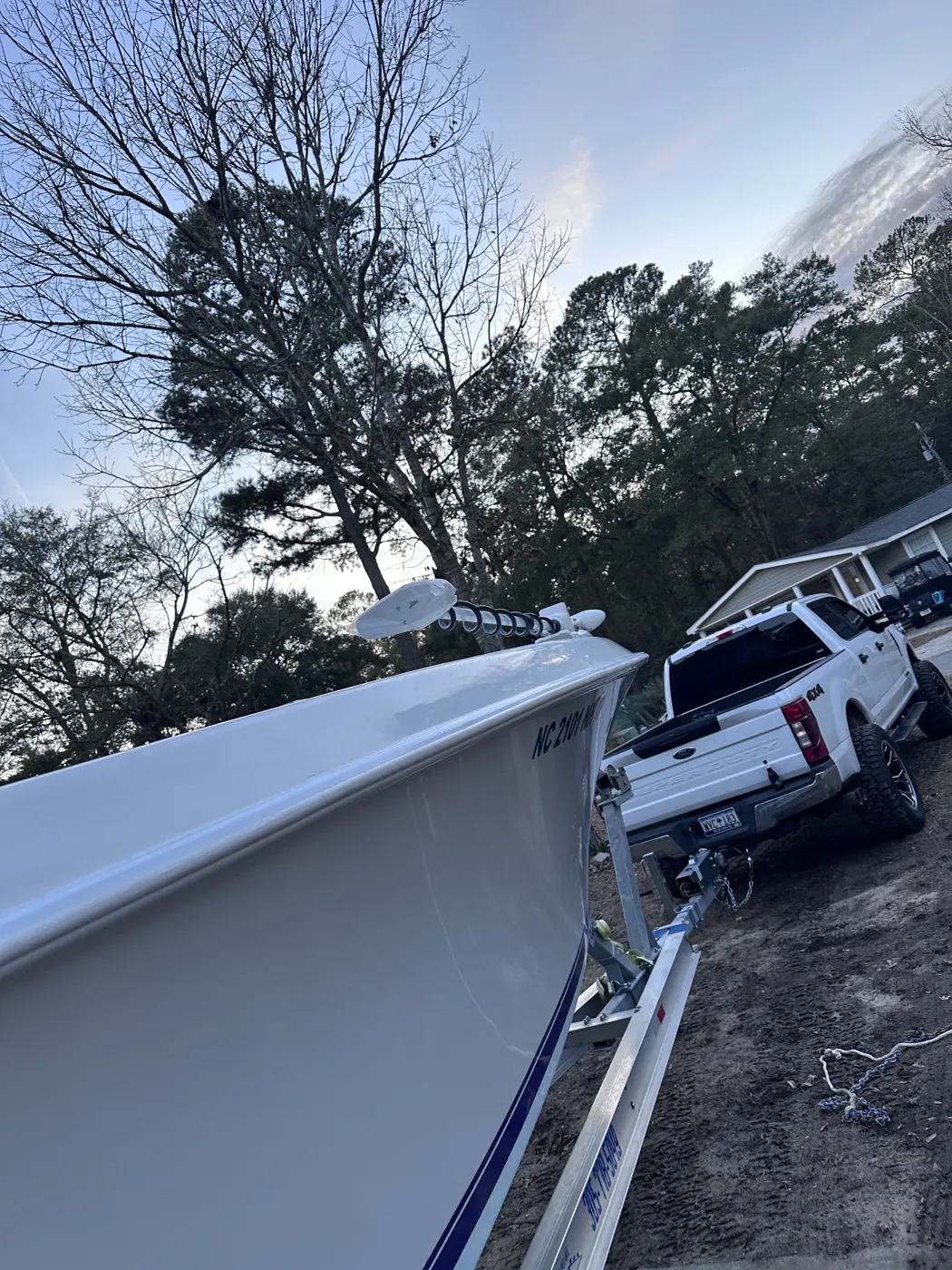
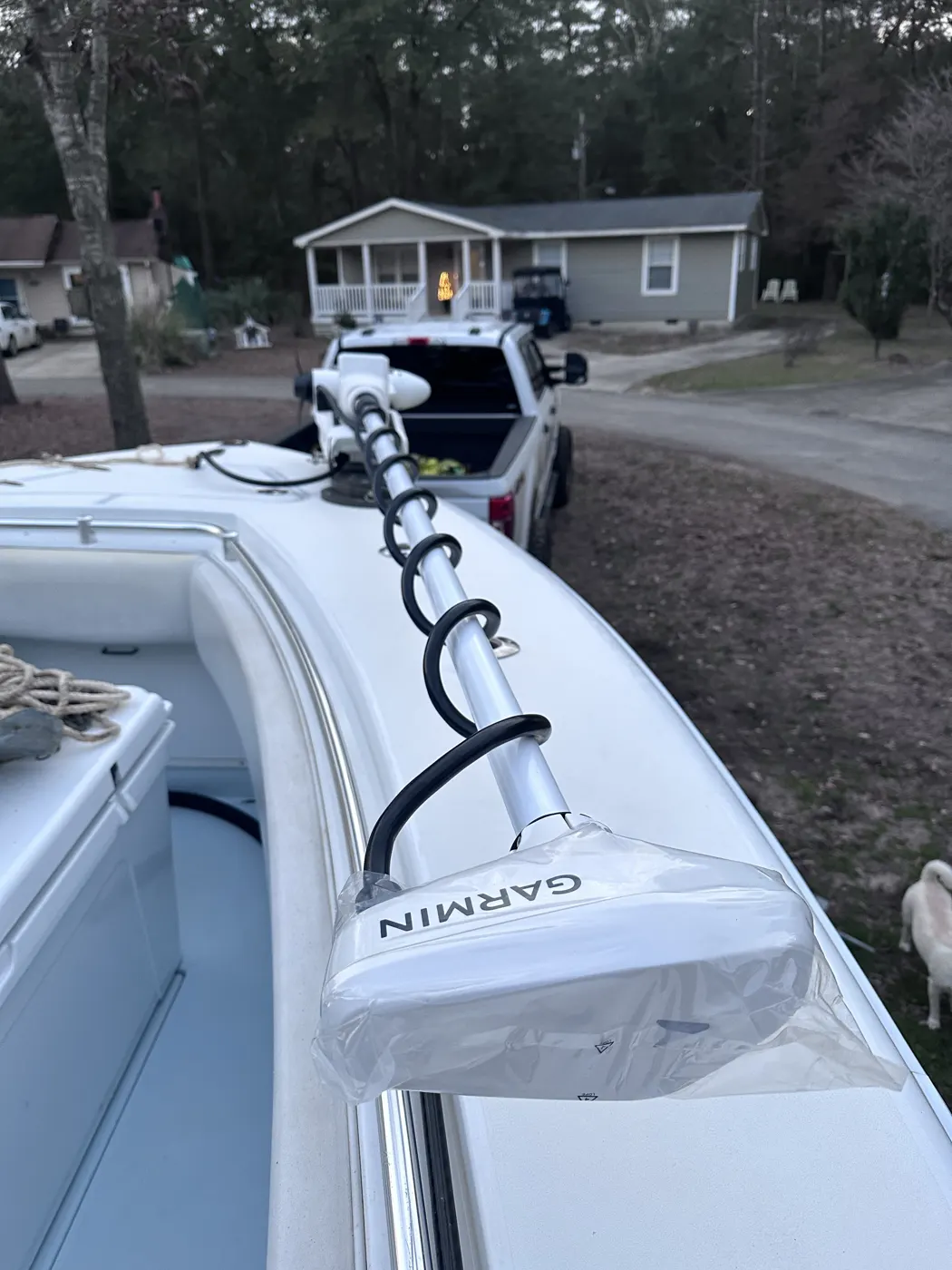
The install turned out to be the easy part. I mounted the Kraken on a shuttle-slide rotating mount with a backing plate, and the whole job was done in about an hour. For power, a 65Ah LiFePO4 battery lives in the anchor locker — a short cable run and easy access were the whole reason for that location — with an Anderson connector for charging and a breaker protecting the motor. Ten trips in: zero issues.
Here’s the deploy in action:
The integration is the whole product
Here’s the part the spec sheet undersells: the Kraken pairs with the Garmin MFDs at the helm, and the integration is good enough that the remote stays in the drawer. I carry it as a backup and never touch it. Everything runs from the same 1243xsv screens I’m already navigating on — the ones from my helm setup, and functionally the same GPSMAP family covered in the full GPSMAP series breakdown.
The workflow that sold me: tap a waypoint on the chart, and the Kraken drives the boat there like an autopilot — then spot-locks automatically when it arrives. Think about what that replaces: idling up-current, judging the drift, dropping a mark, missing, repositioning. Now it’s one touch on the screen and the boat parks itself on the numbers while you rig baits. Pair that with good bottom charts (CMOR, in my case) and you’re fishing spots with a precision that anchoring simply can’t match.
Pairing the Kraken to your chartplotter
The connection is wireless, and pairing takes about two minutes:
- Update first. Make sure the chartplotter is on the latest software version — pairing problems are firmware problems more often than anything else.
- Power on both the chartplotter and the Kraken.
- Confirm the chartplotter is hosting a Wi-Fi network (this is how the two talk).
- On the chartplotter: Settings > Communications > Wireless Devices > Garmin Trolling Motor > Start.
- On the Kraken’s display panel, press the power button three times to put it in pairing mode.
The chartplotter finds the motor, and from that point the trolling motor controls live on the MFD — overlay bar, dedicated control page, and spot-lock/waypoint functions right on the chart.
90” vs 110” on a big boat
The Kraken shaft-length question generates endless dock arguments for boats in the 30-foot class, so here’s my honest take as a 90-inch owner on a 31-footer:
The 90 is great — in fair weather. Calm to moderate days, it holds my boat on spot without drama and the shaft length is easier to live with on the bow.
If you regularly fish rough water, you need the 110. A 31-foot bow rises and falls a lot in a sea, and when the bow comes up, a shorter shaft pulls the prop toward the surface — it ventilates, loses bite, and the motor works harder trying to hold station. The extra shaft keeps the prop buried when the bow is dancing.
The honest buying advice: match the shaft to the worst water you’ll actually fish, not the average day. I knew my usage leaned toward picking weather windows, so the 90 was the right call for me — but if your bottom fishing happens whenever the schedule allows rather than when the forecast cooperates, spend up for the 110 and never think about it again.
What it changed about my fishing
Spot-lock turned bottom fishing from an anchoring exercise into a video game — the sea bass tactics that depend on staying exactly on structure got dramatically easier. Controlled drifts are the sleeper feature: instead of locking on one spot, you can walk the boat slowly across a piece of bottom, covering the whole structure at a pace you choose instead of the pace the wind chooses.
Bottom line
The Kraken is not cheap, and on a 31-foot boat it’s a serious install. It’s also the piece of equipment I’d defend hardest in a budget argument. The MFD integration means zero learning curve if you’re already running Garmin at the helm, the waypoint-to-spot-lock workflow is genuinely one-touch, and the only regret available is buying the shorter shaft than your fishing demands.
This article may contain affiliate links. If you buy through them, we may earn a small commission at no extra cost to you. Learn more.