Okuma Makaira Long-Term Review: 50s and 80s in a Real Trolling Program
Most reel reviews are written the week the reel comes out of the box. This one isn’t. I run Okuma Makaira 50s and 80s as the backbone of my high-speed wahoo and planer program, and this review reflects what they’re like to own and fish, season after season — not what the spec sheet promised.
Where the Makaira fits
When you shop 50-wide-class two-speed lever drags, the conversation traditionally starts at Shimano Tiagra and Penn International money and goes up from there. Okuma’s pitch with the Makaira is flagship-grade machining and drag performance at a price meaningfully below the two legacy names. That pitch invites skepticism — Okuma built its reputation on value gear, not bluewater flagships. The Makaira is where that reputation changed.
The build is fully machined aluminum, the lever drag is smooth through its whole range, and the two-speed shift works under load — which matters more than it sounds like it should, because you only ever shift under load.
What high-speed and planer duty does to a reel
If you want to find a trolling reel’s weaknesses, my program is a good torture test. High-speed wahoo trolling means sustained heavy drag settings and violent strikes at speed. Planer duty means every single retrieve is under load, whether a fish ate or not — that’s the workload that exposes gear trains and drag stacks over a season.
The Makairas have handled both sides of that program without drama. Drag settings stay where I put them, strike drag is repeatable trip after trip, and low gear on the two-speed turns planer retrieves and deep fish from a grinding problem into a patience problem.
The track record behind that: three seasons on these reels now, at 10–20 trips a year, with zero failures — the drags hold tight, exactly where they’re set, trip after trip. One spec-sheet detail that turned out to matter on the water: for planer duty I run the 80 Narrow rather than the wide. It handles the same workload without the bulk of an 80W hanging in the rod holder, and once you’ve fished the narrow you don’t miss the extra spool.
The honest comparison
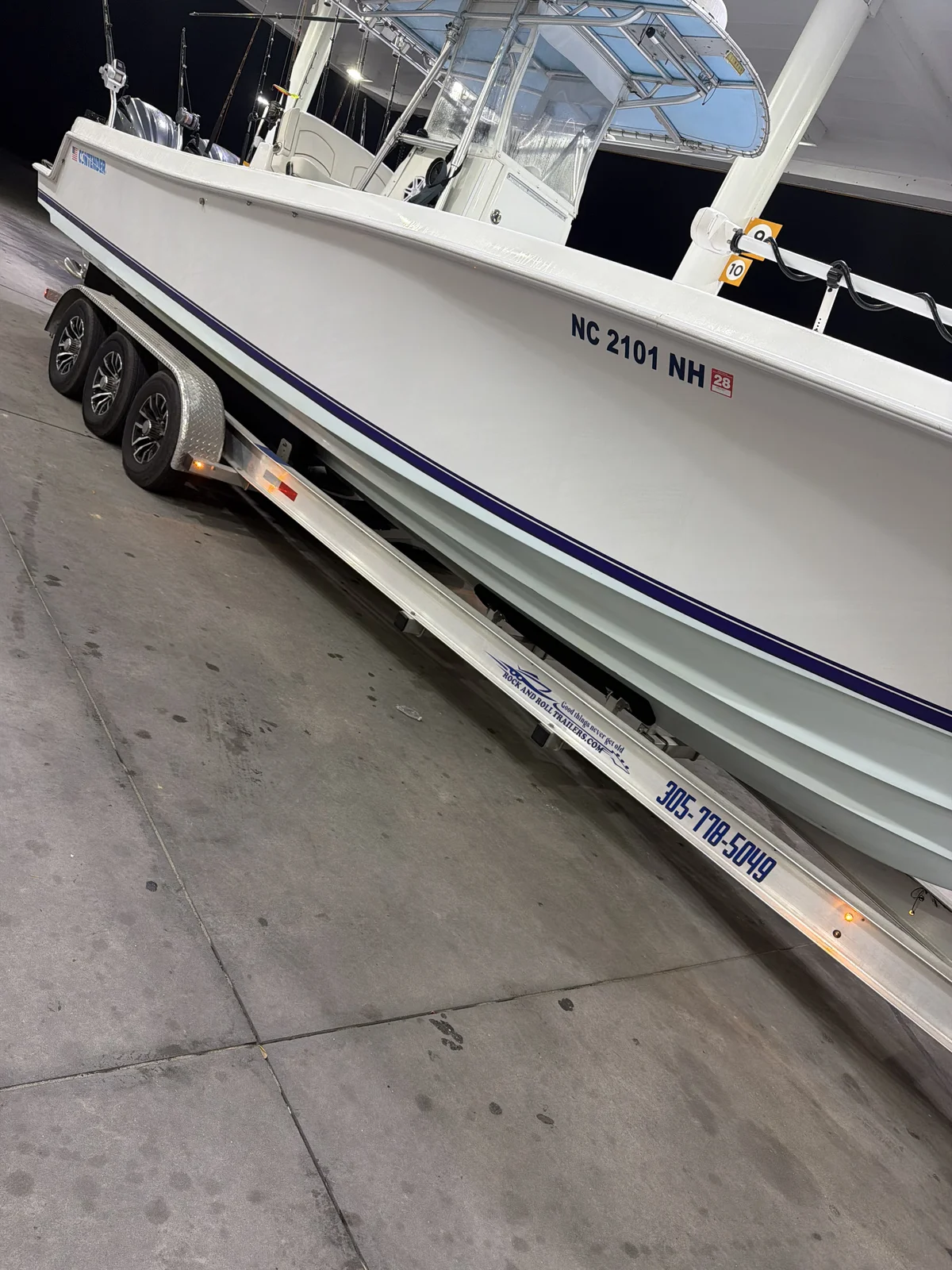
Against a Shimano Tiagra or Penn International of the same class, the Makaira gives up very little on the water. The Tiagras are great reels, but they haven’t meaningfully changed in years — and the 50 and 80 share the same drag, so stepping up to the 80 Tiagra buys you capacity and not much else. The legacy reels do have longer track records and more universal parts availability at marinas around the world — if I were rigging a boat for remote-destination fishing, that would matter. For a trailer boat fishing the Carolinas and mid-Atlantic, where the reel goes home and gets rinsed after every trip, the price difference buys you another rigged rod in the spread. That math is the reason my rod locker looks the way it does.
Who should buy it
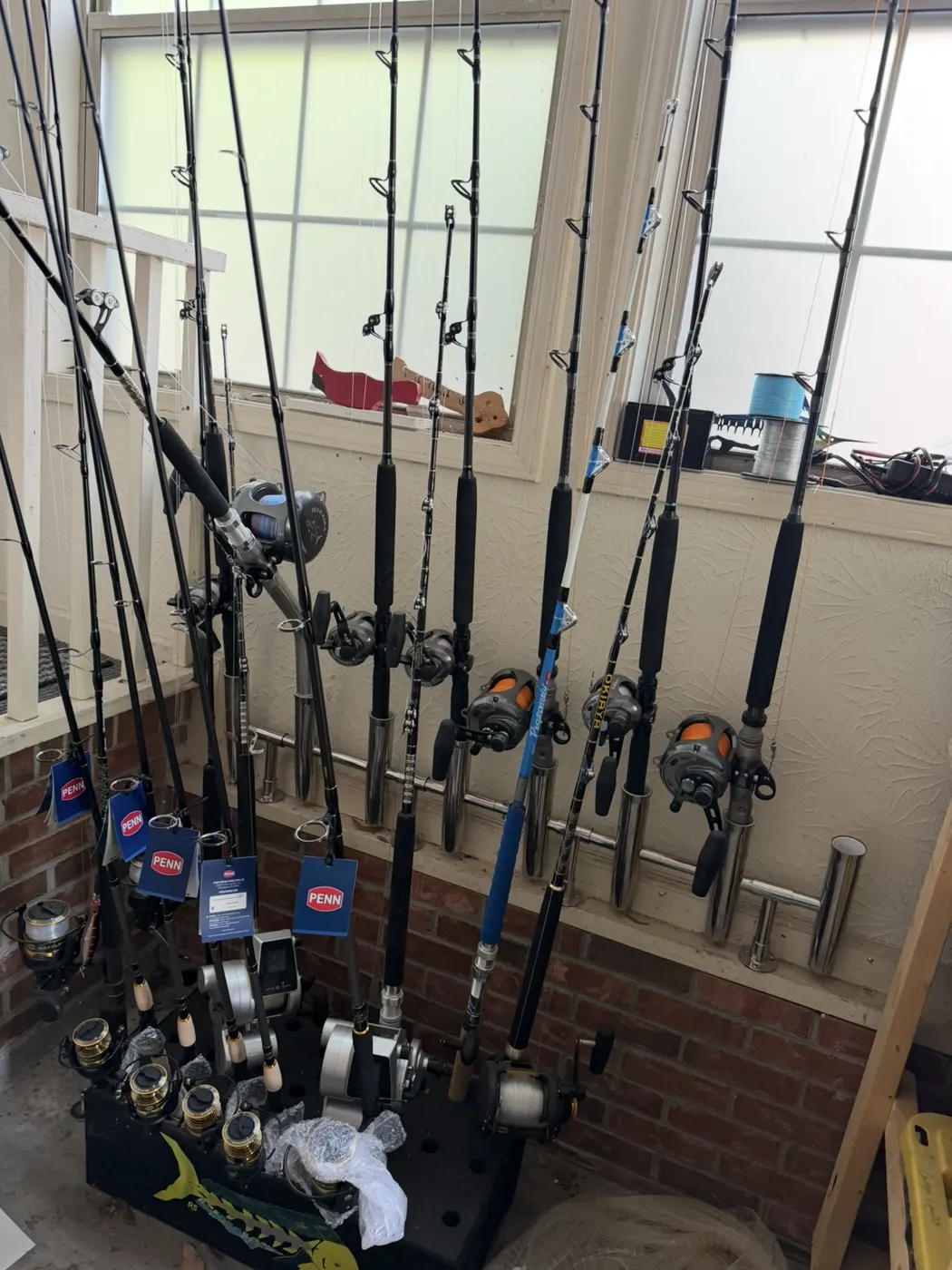
The Makaira makes the most sense for exactly my situation: a serious private boat building a six-to-eight-reel trolling program, where per-reel price multiplies. If you’re buying one prestige reel to last thirty years, the legacy names remain fine choices. If you’re building a spread that actually fishes, the Makaira is the value-per-slot winner in the class.
Bottom line
Flagship performance, sub-flagship price, and — the part a spec sheet can’t tell you — no surprises after real seasons of the two hardest jobs a trolling reel does. It’s the reel my program is built on, and I’d buy more Makairas again and again — that’s the only endorsement I know how to give.
This article may contain affiliate links. If you buy through them, we may earn a small commission at no extra cost to you. Learn more.