My Trolling Spread, Line by Line: Planers to the Shotgun
The tuna spread article covers the theory. This one is the answer to the question I actually get asked at the dock: what exactly do you run, and where does each line go? Here’s my standard spread, line by line, and the reasoning behind each slot.
The spread at a glance
| Position | Lines | What’s on it |
|---|---|---|
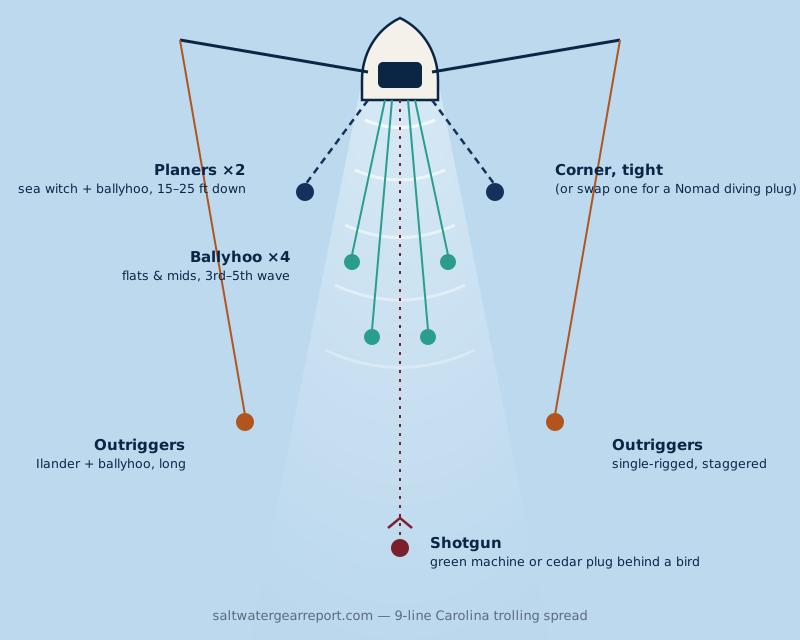
| Corners, tight | 2 | Planers — sea witch + ballyhoo, running 15–25 ft down |
| Flats and mids | 4 | Ballyhoo, naked or lightly skirted, staggered 3rd–5th wave |
| Outriggers | 2 | Ilander + ballyhoo, long and wide |
| Shotgun | 1 | Green machine or cedar plug behind a bird, way back |
Nine lines total. That’s the ceiling for what my crew can keep clean and re-rig without chaos — more lines than hands is how spreads turn into macramé.
The corners: two planers, tight
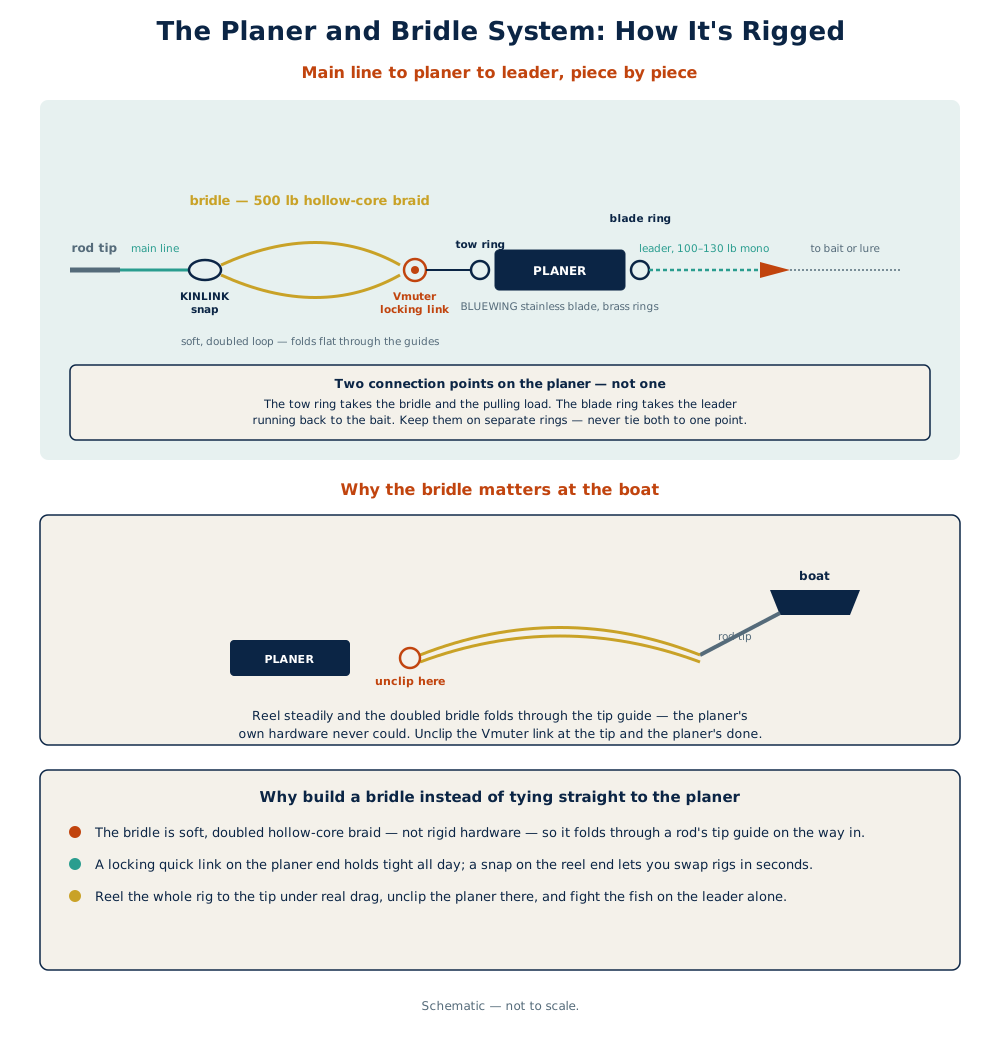
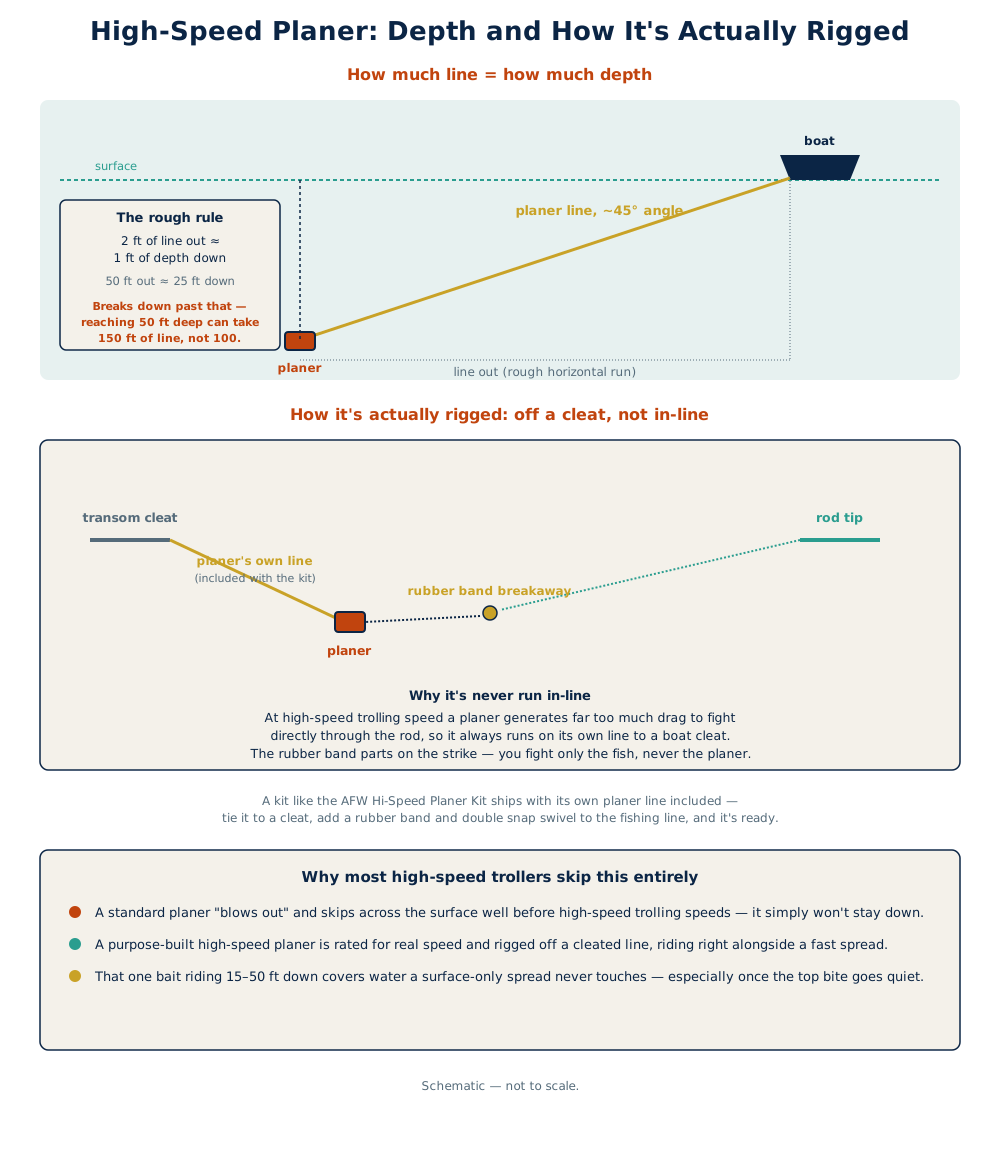
The deep lines go closest to the boat. Two planers off the corners put baits 15–25 feet down in the prop wash zone — wahoo and the better kings live down there, and on bright, slick days the deep baits out-produce everything on the surface. Full rigging details are in the planer article.
The variation: some days I pull one planer and run a Nomad DTX Minnow diving plug in the other corner slot instead. The big Nomad minnows get down a legitimate 20+ feet on their own — no planer hardware, no planer retrieve — and they draw violent strikes. The trade-off is depth control: the planer runs where physics says it runs, while the plug’s depth depends on speed and line out. When the deep bite is picky about exact depth, the planer wins; when I want less hardware in the water on a fishy day, the Nomad earns its corner. Color choice on that plug follows the same logic covered in the lure color breakdown — it comes in enough colors to run either a natural or dark-contrast profile depending on the day.
Flats and mids: four ballyhoo
The middle of the spread is a ballyhoo school — four baits staggered from the 3rd to 5th wave, naked or with light skirts. This is the meat of the spread, and it’s deliberately simple: ballyhoo swimming correctly catch everything that swims out there. Stagger the distances so no two baits ride the same wave face, and check them constantly — a washed-out bait in the heart of the spread is a dead slot nobody notices for an hour.
Outriggers: Ilanders, single-rigged
The riggers carry Ilander-and-ballyhoo combos, long and wide — the classic Carolina big-bait profile that tuna and the occasional billfish come up the spread to find. Wide separation from the rigger poles means these baits run in clean water outside the wake, where the boat-shy fish feed. For wahoo specifically, that same skirt-over-ballyhoo combo gets built on wire instead of straight mono — see the haywire twist and rigging guide for how the wire and stinger hook get added without changing the bait’s action.
Single or double-rigged riggers? Big sportfish boats often run two release clips per outrigger halyard and stack two lines off each pole. On a center console, I run singles, and I’d argue most boats under 40 feet should: doubles add two more lines to the count, and every turn becomes a negotiation between four rigger baits. The extra bait catches fewer fish than the tangles cost you. If you have the crew and the beam to manage doubles, they earn their keep on long-rigger tuna days — but singles kept clean beat doubles fouled, every single trip.
Whatever you run, a shock cord tag line on each release clip is worth adding — it’s the piece of rigging that keeps a clip from disappearing overboard if it separates from the halyard, and it matters most on the high-speed wahoo program where loads on that hardware run much higher than a standard troll.
The shotgun: commotion, way back
The shotgun runs dead center and far behind everything — and mine always has a bird in front of it. A bird splashing ahead of a green machine or cedar plug imitates a fleeing baitfish being chased, and it calls fish into the whole spread even when the shotgun itself doesn’t get bit. Between the two lures: the green machine gets the nod when tuna are the target, the cedar plug when I want the old-reliable that catches everything. Both have earned decades of confidence for a reason — see the tuna spread article for the blackfin day the cedar plug turned on.
Managing nine lines in a turn
The spread only works if it survives the turns. The rules on my boat: turns are wide and shallow, the shotgun and rigger baits are the watch items (outside speeds up and rides high, inside sinks), and if a planer needs clearing, it comes up first — deep lines under a turning boat find every other line in the water. When a fish eats, the nearest lines clear first, and the planers stay down unless the fight comes to them; more than once the hooked fish’s commotion has drawn a second bite on a deep bait.
The takeaway
Build the spread you can actually manage, fill the water column (planers deep, ballyhoo middle, riggers wide, shotgun way back), and put commotion at the back of it. Nine clean lines with a purpose for each slot — that’s the whole system.
This article may contain affiliate links. If you buy through them, we may earn a small commission at no extra cost to you. Learn more.