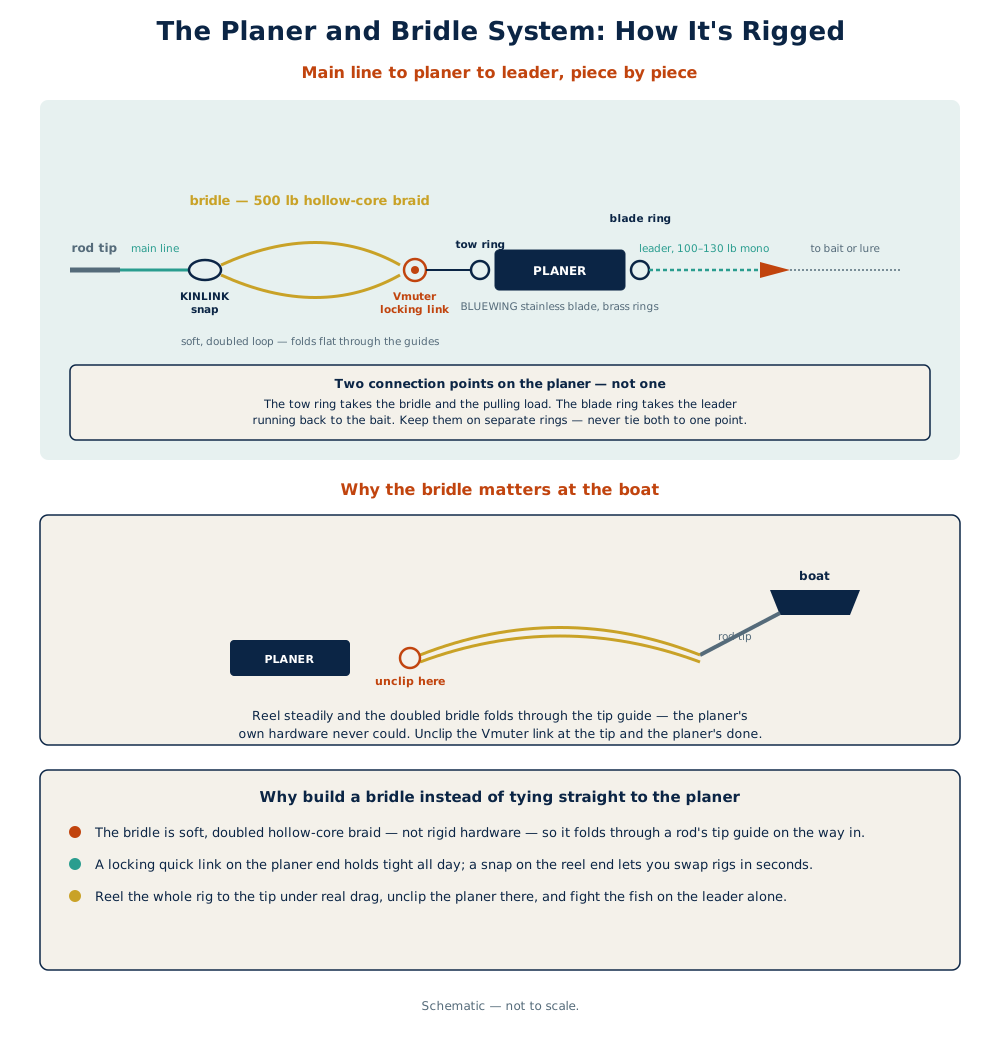
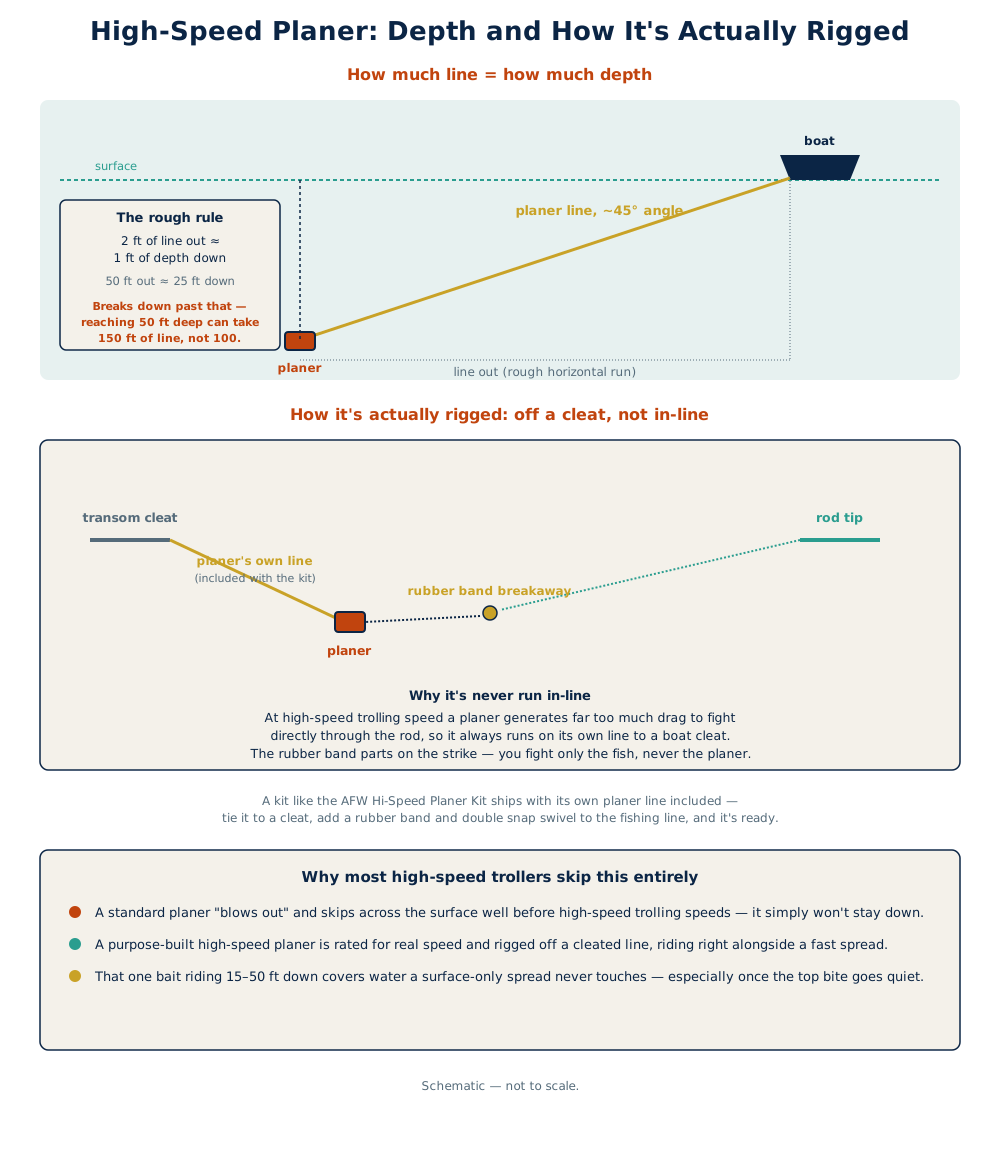
Near-Shore Trolling for Spanish Mackerel: The Clarkspoon Kit
Not every good bite is 60 miles offshore. Spanish mackerel show up in numbers close to the beach — within sight of the condos, most days — and they’re some of the easiest fish on the coast to load a cooler with once you’ve got a couple of small planers and Clarkspoons in the water. This is the trip to hand a beginner the rod on.
Why near-shore Spanish mackerel is the easy button
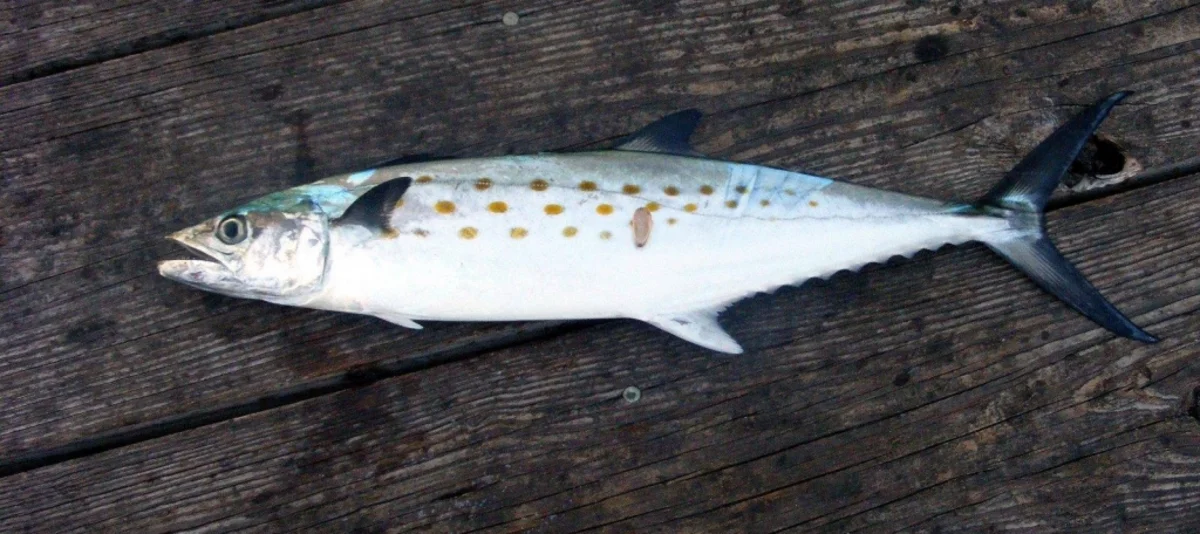
Spanish run in schools, they’re not leader-shy, and they’ll eat a small flashy spoon pulled at a decent clip without much finesse required. No need to run offshore, no need for heavy tackle, no need for live bait. It’s a short run, a simple spread, and fast action once you’re on fish — which makes it one of the best trips going for a kid’s first hookup or anyone who just wants a fast, steady bite close to the inlet.
The gear: small planers and Clarkspoons
The whole program is small planers pulling small spoons. A #1 planer gets a Clarkspoon down a few feet, which is usually enough — Spanish mackerel feed up in the water column and don’t need the depth a wahoo program does. Clarkspoons themselves have been the standard for this fishery since 1927: diamond-shaped for flash, built-in swivel to fight line twist, and they just plain catch fish.
Rather than piece together planers, spoons, sinkers, and leader separately, I run the Clarkspoon Ready to Fish Trolling Kit — it comes with 4 rigged Clarkspoons, 2 flash spoons, 2 ball-bearing trolling sinkers, 2 #1 planers, an instruction booklet, and a reusable tackle box, all hand-rigged in the USA. For around $85 it’s close to what the pieces would cost bought separately, minus the rigging work, and it’s sized right for exactly this fishery — Spanish mackerel, bluefish, and bonito in coastal water. It’s an Amazon’s Choice pick and sits at 4.6 stars, and the reviews all say the same thing: rig it, drop it, and you’re usually hooked up before the second planer’s even out.
Running the spread
Keep it simple: two planer lines off the corners, staggered so they don’t cross on turns, trolling around 4–6 knots — slower than a wahoo spread, since Spanish want the spoon fluttering, not screaming. Watch the planer’s action on the surface; when it starts pulsing hard or the rod tip stutters, you’re in fish. Spanish run in schools, so one hookup is your cue to slow down, circle back, and put baits through the same water again rather than motoring off — the school is usually still there.
Silver and gold Clarkspoons both produce; on bright days gold tends to draw more strikes, and overcast days often favor the flash of silver. The kit comes with both, so there’s no guessing required — just swap and see what they want that day.
Working it into a light-tackle day
This is spinning-tackle-friendly fishing. Light to medium spinning outfits handle Spanish mackerel just fine and make the fight more fun for it — no need to break out the trolling reels for this one. It also pairs naturally with a bottom-fishing trip: run the Clarkspoons on the way out or back from a nearshore reef or wreck, and you’ve turned a single trip into two different bites.
Gear checklist
- Clarkspoon Ready to Fish Trolling Kit — 4 rigged spoons, 2 flash spoons, sinkers, #1 planers, tackle box
- Light to medium spinning tackle, 15–20 lb line
- A cooler — Spanish mackerel schools can fill one fast
This article may contain affiliate links. If you buy through them, we may earn a small commission at no extra cost to you. Learn more.