Outrigger Tag Lines: The Return Setup for High-Speed Wahoo Trolling
The high-speed wahoo program and the nine-line spread breakdown both cover outriggers as a position in the spread, but neither gets into a detail that matters more at high speed than it ever does trolling normally: what happens to the release clip and halyard when something lets go under real load. That’s what a tag line is for.
What a tag line actually is
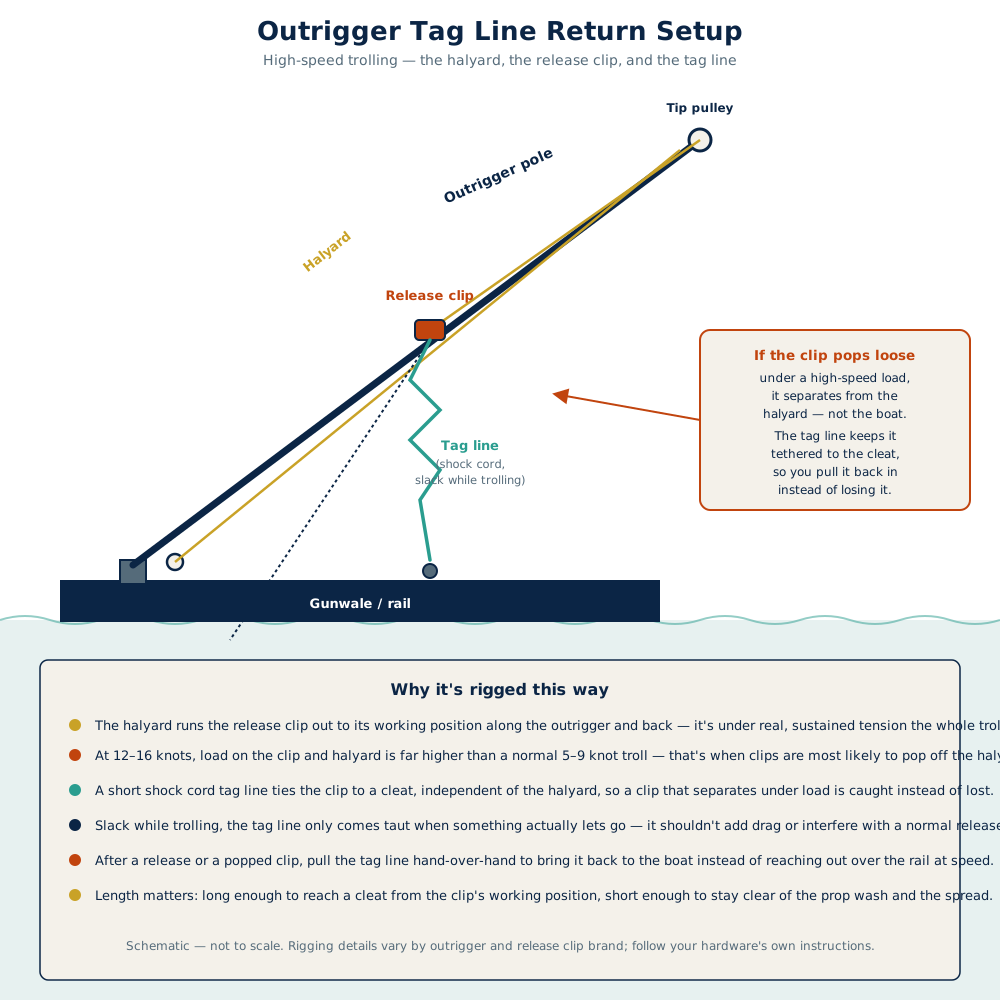
A tag line is a short length of shock cord — bungee, not static line — running from the outrigger’s release clip down to a cleat or rail point on the boat, independent of the halyard itself. While the clip is loaded and working normally, the tag line just hangs slack, doing nothing. It’s there for the moment something doesn’t go normally: a clip that pops off the halyard entirely, rather than just releasing the fishing line the way it’s supposed to on a strike.
That distinction is the whole point. A release clip has two ways to let go — the fishing line pulling free of the clip’s tension (a normal strike, exactly what’s supposed to happen), and the clip itself separating from the halyard (not supposed to happen, but a real risk under enough load). A tag line does nothing about the first case and everything about the second.
Why this matters more at high speed
Standard trolling around 5–9 knots puts modest, steady load on an outrigger halyard and clip. The high-speed wahoo program runs 12–16 knots pulling heavy, jetted lures and multi-pound trolling weights, and the drag that setup generates loads the same hardware far harder for the entire troll, not just for a second during a strike. That’s the speed range where a clip is most likely to actually pop off the halyard under sustained tension rather than fail cleanly the way it’s designed to on a fish. Without a tag line, a clip that lets go that way is gone — overboard, or snapping back toward the boat and crew with real force. With one, it’s caught and can be pulled back in by hand.
Rigging it
The tag line ties into the same halyard-and-clip system already running on a Rupp or Taco outrigger — see the Contender rebuild tour for what that hardware looks like on a real boat — without changing how the release clip itself functions:
- Attach one end of a length of shock cord to the release clip or to the halyard immediately next to it, so it travels with the clip out to its working position along the outrigger.
- Run the other end to a fixed point on the boat — a cleat, a rail cleat, or a solid point near the base of the outrigger — that’s within easy reach of where the mate stands to work that side.
- Size the length so it’s slack during normal trolling. The tag line shouldn’t carry any load or add any drag while the clip is working normally; it only needs to come taut if the clip actually separates from the halyard.
- Keep it short enough to stay clear of the prop wash and the rest of the spread. A tag line that’s too long can trail in the water or tangle with other lines on a turn — long enough to reach the cleat from the clip’s working position is the target, not longer.
Using it
Day to day, the tag line does nothing and that’s correct — it should never be the thing you notice while a normal troll is running. If a clip does pop off the halyard under a high-speed load, or if you’re manually unclipping a halyard to check or change a bait at speed and don’t want it swinging free, the tag line is what lets you pull the clip back to the boat hand-over-hand instead of reaching out over the rail or leaning into the spread to grab something moving.
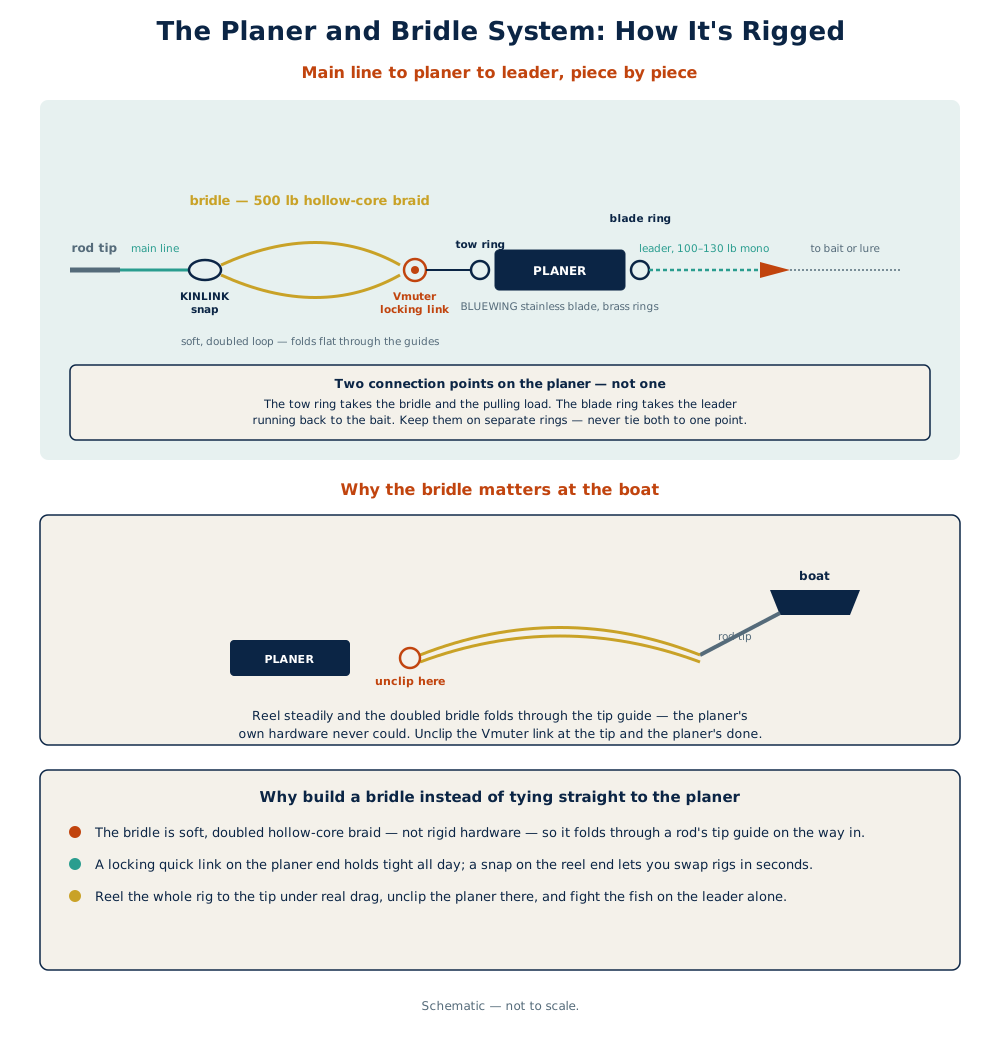
It’s the same underlying idea as the hollow-core bridle setup used to bring a planer all the way to the rod tip under drag instead of hand-lining it at the boat — a small piece of rigging whose entire job is controlling gear that would otherwise be dangerous or difficult to manage right at the rail.
What to actually buy
The hardware here is the same outrigger and release clip gear most trolling boats already run — brands like Rupp Marine, TACO Marine, and AFTCO all make outrigger release clips built for exactly this kind of duty. The tag line itself is just a length of marine-grade shock cord from any well-stocked chandlery or tackle shop; we’ll link specific clip and shock cord listings here once a verified affiliate relationship with those suppliers is in place.
Bottom line
A tag line doesn’t change how a release clip works or how a strike feels — it’s a small, mostly invisible piece of rigging that only matters the one time a clip lets go the wrong way. At normal trolling speed that’s a rare event. At 12–16 knots pulling heavy high-speed gear, it’s common enough that skipping this setup is how gear ends up lost overboard instead of pulled back in.
This article may contain affiliate links. If you buy through them, we may earn a small commission at no extra cost to you. Learn more.